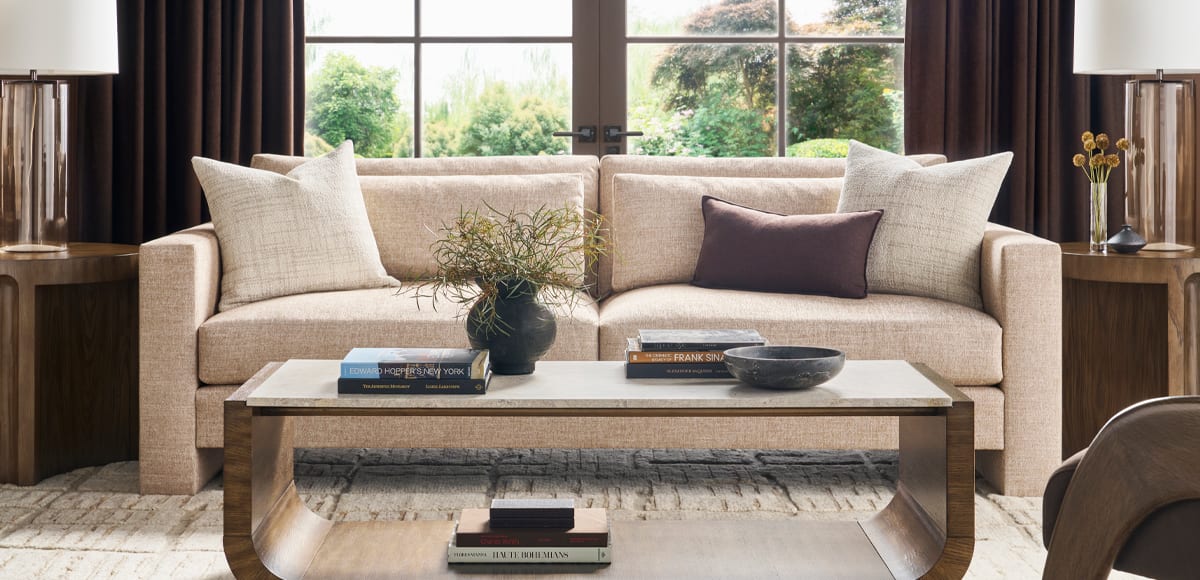
January has a way of clarifying things. The decorations come down, the house quiets, and suddenly the rooms tell the truth. What felt festive a month ago can now feel busy. What once blended in may start to stand out. This is not a signal to start over. It is an invitation to edit.
Editing a home is less about removing everything and more about deciding what truly belongs. It is a shift from adding to refining. From filling space to letting it work. January naturally invites this pause, offering a moment to reassess how a home feels once the layers of the season are peeled away.
After the holidays, visual noise becomes easier to spot. Too many small pieces competing for attention. Furniture that relies on layers of accessories to feel complete. Corners that feel occupied but not intentional. These elements fade into the background during busier months. In January, they become unavoidable.

A thoughtful edit starts with observation. Which pieces contribute to the overall balance of the room, and which ones simply fill space. Which items support how the room is used, and which ones feel like they are waiting for a reason to exist. Editing does not require immediate decisions. It begins with awareness.
This is the right time to pause and look again, without urgency and without judgment. Editing does not mean empty rooms or minimal living. It does not mean removing warmth or personality. It means fewer, better choices. It means letting go of what no longer serves the space so that what remains can do its job well. Refinement rather than reduction.
Well-chosen furniture does not need decoration. Pieces with strong silhouettes, thoughtful scale, and presence can stand on their own. They anchor a room rather than ask for reinforcement. When furniture holds its own, everything else can fall into place more naturally.
This is where clean lines and proportion matter most. A table that feels balanced in the room, not oversized or apologetic. A chair that brings structure without feeling heavy. A cabinet that grounds the space even when nothing is displayed on top. These pieces do not rely on excess. They feel complete as they are.

Furniture like this allows a room to breathe. It creates confidence in the space. Instead of asking what else needs to be added, the focus shifts to what can be left alone. The result is a room that feels settled rather than styled.
Negative space plays an equally important role. Space is not something to fill. It is something to respect. Open areas allow the eye to rest and give furniture the room it needs to be appreciated. When space is treated as part of the design, a room feels calmer and more intentional.
Negative space also brings flexibility. It allows rooms to adapt to daily life without feeling constrained. It supports movement, function, and comfort. A room that is not overcrowded works better, feels lighter, and often feels larger than it actually is.
This process is rarely dramatic. It happens slowly. One piece reconsidered. One surface cleared. One room brought back into balance. These small decisions compound over time, creating a home that feels cohesive and intentional rather than constantly in motion.
The best homes are not always changing. They evolve quietly. They reflect the people who live in them—not as a style statement, but as a natural expression of how they want to live. January offers a natural pause to reassess, adjust, and move forward with intention.
Visit the Patrick Day Home Gallery showroom to experience furniture and accessories chosen for their form, balance, and lasting appeal. See pieces that hold their own, create calm, and support intentional living. Our team is always available to help you edit, refine, and shape a home that feels considered and complete.
